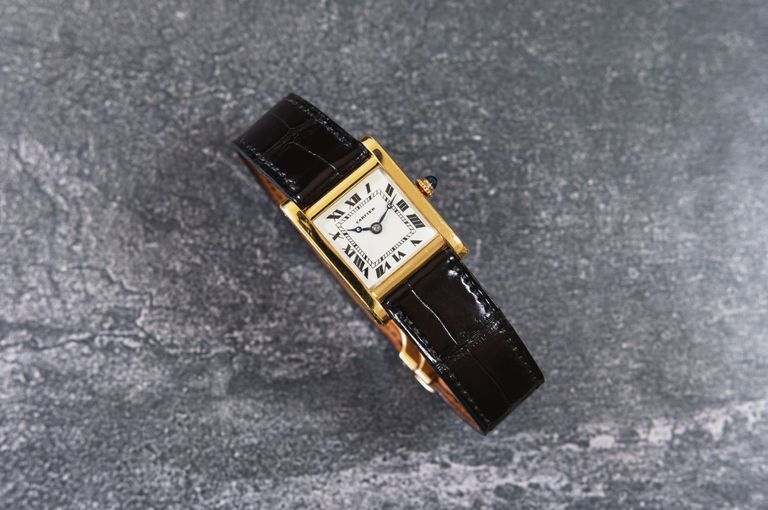
The Art & Science of Choosing the Right Watch Strap
Why the Strap Matters
In the world of watch collecting, the spotlight almost always falls on the case, dial, and movement. Yet the strap – the element that rests directly against your skin every single day – is frequently treated as an afterthought. This is a missed opportunity.
A thoughtfully chosen strap does far more than hold the watch in place; it completes the object, bridges the gap between mechanical art and personal expression, and fundamentally shapes how the watch looks, feels, and even performs on the wrist.
At INRO, we believe a strap is not merely an accessory added to a timepiece. It should feel as though it belongs equally to the watch and to the wearer – as if the three elements (watch, strap, and person) have found a natural harmony. This philosophy guides our series on the art and science of strap selection. The goal is not to sell you more straps, but to equip you with the understanding to create pairings that feel inevitable rather than merely possible.
Most collectors underestimate the strap’s transformative power. Swap a steel bracelet for a well chosen leather strap on a sports watch and it can shift from tool-like utility to refined elegance. Place a vibrant suede on a vintage dress piece and it gains unexpected approachability. The strap influences perceived size, weight distribution, temperature feel, and overall character.
Beyond aesthetics, the strap is the primary point of physical interaction. A comfortable strap encourages you to wear more often; an ill-suited one can make even the finest watch feel like a burden.
In this sense, the strap is the quiet mediator between your wrist and the watch’s soul. Simply changing a strap is easy. Truly improving the watch requires intention.
Understanding the Watch, the Wearer and the Strap
The difference lies in understanding the watch’s inherent personality - its proportions, heritage, finishing, and intended purpose - and finding a strap that enhances rather than competes with it. A successful pairing respects the watch’s DNA while reflecting the wearer’s lifestyle and taste.
An oversized dive watch on a thick, padded leather strap might look striking in photos, but can feel unbalanced and heavy in daily wear. Conversely, a slim vintage perpetual calendar on a mismatched casual strap loses its refined poise. The best combinations create synergy: the whole feels greater, and more coherent, than the sum of its parts.
Choosing a strap is ultimately an exercise in relationships.
Consider these three variables…
The Watch: Its size, lug shape, case material, dial colour, and overall formality.
The Wearer: Wrist size and shape, skin tone, daily activities, wardrobe, and personal style.
The Strap: Material, colour, texture, thickness, construction, and hardware.
When these align, the watch sits naturally, the wrist feels balanced, and the combination looks “right”, even to the untrained eye. When they conflict, something always feels slightly off - too bulky, too delicate, too loud, or too anonymous.
Proportion, Balance and Fit
Proportion is one of the most critical yet overlooked aspects. The strap width should generally match the watch’s lug width exactly, but the overall visual balance depends on more. On smaller wrists, a very thick or heavily padded strap can overwhelm the case. On larger wrists, an ultra-thin dress strap may look insubstantial.
A rule of thumb: the strap should complement the watch’s scale without dominating it.
Curved lugs often pair beautifully with more flexible, contoured straps, while flat or aggressively shaped lugs may demand straighter, more structured options. The goal is visual and physical equilibrium…the watch should feel like it belongs on your wrist, not perched upon it.
Comfort begins with proper fit. At INRO we leave nothing to chance. Every aspect of the wearer’s wrist and watch is measured and noted. We even check both lug widths of your watch to confirm they are identical. A strap should be crafted so the buckle is dead centre on the back of the wrist.
Material choice dramatically affects long-term comfort. Breathable leathers suit most climates but suffer in extreme heat or moisture. Fabric options excel in active use.
Consider how the watch will be worn: office days, travel, weekends, or evenings all make different demands. The most beautiful strap in the world fails if you stop wearing it after a week.
Materials, Finishing and Colour
Different materials bring distinct personalities.
Calfskin:
The versatile workhorse. Supple, durable, and capable of developing a handsome patina. Ideal daily wear across many styles.
Alligator and other exotics:
Luxurious, textured, and highly formal. The distinctive scale pattern adds depth and prestige, particularly on dress watches. Genuine alligator offers superior softness and longevity compared to embossed alternatives.
Suede:
Casual and tactile with a soft, matte finish. It brings warmth and approachability, excellent for vintage or relaxed looks.
Silk or fabric:
Lightweight, breathable, and often colourful. Silk offers refined texture for more elegant wear…both formal and casual.
Each material ages differently. Quality leather improves with wear; lesser materials crack or scratch prematurely.
Subtle details matter enormously – edge burnishing, contrast stitching, or no stitching at all, hand-finishing, and the quality and colour of the lining all contribute to the final impression. A beautifully finished strap with impeccable turnback and stitching elevates a simple watch.
Colour selection sits at the intersection of colour theory, material science, and personal style. Beginning with the fundamentals: analogous schemes…colours positioned next to each other on the colour wheel…create harmony and sophistication. Deep brown straps pair elegantly with burgundy or golden dials, while navy straps sit comfortably beside green or charcoal. Complementary combinations, by contrast, use opposing colours for intentional visual tension and energy: a rich cognac strap against a cool stainless steel case and black dial can bring the entire watch to life.
Warm tones (shades of brown, tan, oxblood, and cognac) tend to feel inviting, energetic, and approachable, while cool tones (black, navy, graphite, and charcoal) project restraint, formality, and sophistication.
Crucially, skin tone, wardrobe and lighting all affect how a strap colour appears in real life. Warmer complexions often sit naturally with earthy browns, tans and reddish hues, creating a natural flow from wrist to watch. Cooler tones can be beautifully complemented by black, navy, charcoal or cool grey, offering elegant contrast. The aim is not to follow a fixed rule, but to find a colour that feels harmonious on the wrist.
Lighting plays a decisive role in how these colours are perceived. Colour temperature, measured in Kelvins (K), dramatically affects appearance: warm incandescent or LED lighting (around 2700-3000K) enhances golden and reddish tones, making brown and cognac straps appear richer and more vibrant. Cooler daylight or office fluorescents (5000-6500K) emphasise blue and grey undertones, allowing black, navy, grey, and cool-toned straps to read with greater clarity and precision. A strap that looks perfect under shop lighting may shift noticeably once worn in real-world conditions.
The most successful pairings gently echo or thoughtfully contrast the watch’s dial and case metals while harmonising with both your skin tone and typical lighting environments. Test combinations in the actual settings where the watch will live…natural daylight, office environments, and evening settings...before making a final decision. This attention to colour temperature and personal context transforms a good pairing into one that feels inherently correct.
Formality, Hardware and Belonging
Formal contexts traditionally favour smooth, dark leather – particularly alligator or high grade calf – in black or deep brown. Minimal stitching, refined buckles, and understated presence are the order of the day.
Casual wear allows far more freedom: suede, fabric, or coloured leathers can express personality.
The key is ensuring the strap does not undermine the watch’s inherent character.
A grand complication on a brightly coloured NATO may feel like a costume; the same watch on a restrained leather strap retains dignity while gaining wearability.
Whenever possible, consider retaining or matching the original buckle or clasp. It maintains brand coherence and often provides the best mechanical fit. Aftermarket deployant clasps can improve comfort and security but should match the watch’s aesthetic – polished for dress, brushed for sport. Mismatched hardware can break the harmony of an otherwise perfect pairing.
The most successful pairings often follow an intuitive rightness that is hard to quantify. They respect proportion, material suitability, colour harmony, and context. They feel lived in rather than assembled. Over time, as the strap conforms to you wrist and develops character alongside the watch, the sense of belonging deepens.
Mastering strap selection is both an art and a science. It rewards observation, experimentation, and a willingness to listen to how a watch feels on your wrist rather than how it looks in isolation.
In future articles, we will dive deeper into styling particular watch genres and brands, and advanced techniques for creating truly personal combinations.
For now, take one of your watches, remove its current strap, and ask yourself honestly. Does this pairing truly belong both to the watch and to me? The answer may surprise you – and open the door to more rewarding experiences with watches you already own.